Melbourne’s property market has a well-earned reputation for long-term capital growth — but within Australia’s second-largest city, the performance gap between suburbs is significant. While some areas have plateaued or face supply headwinds, a handful of growth corridors are delivering the kind of results that remind investors why Melbourne remains one of the most compelling long-term property markets in the country.
At DOME Buyer Advocacy, we operate extensively across Melbourne Metro, Geelong, Ballarat, and Bendigo. What follows is our analysis of where genuine opportunity exists right now — and why.
The term gets thrown around loosely in property media, but a genuine growth corridor has specific, measurable characteristics. At DOME, we define a growth corridor as an area demonstrating a confluence of the following:
This last point is critical. Many suburbs that were genuine growth corridors three years ago have already repriced. The opportunity is in identifying the next wave — areas where the fundamentals are compelling but the market hasn’t fully caught up yet.

Frankston has been on the radar of informed investors for several years, and for good reason. Significant investment in the Frankston Health Precinct, the activation of the foreshore, and improving transport links to the CBD have transformed the suburb’s profile.
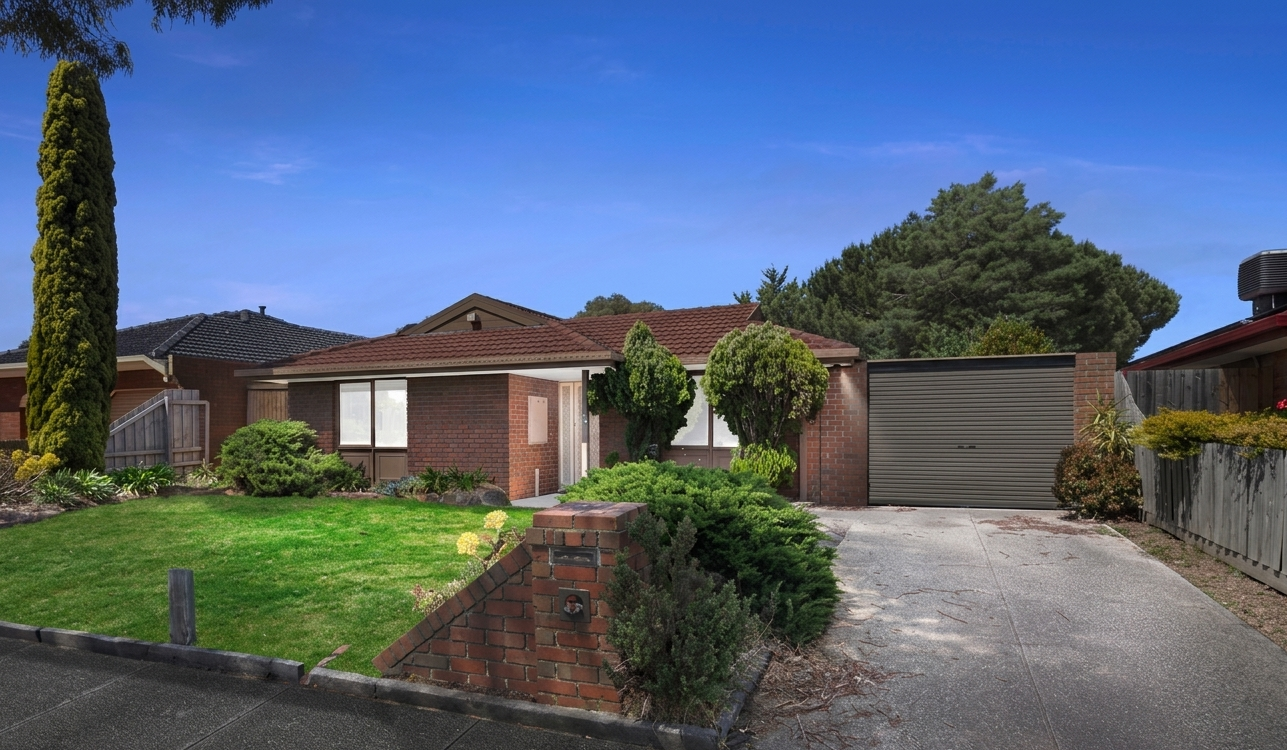
DOME identified Frankston as an emerging hotspot for clients Sushant and Rashmi in early 2024. Their purchase at $712,001 delivered a $137,000+ equity gain in under 12 months — a 19% increase — alongside $630 per week in rental income. The suburb’s infrastructure story isn’t finished yet, which suggests continued upside.
The team at DOME helped us secure a property in Frankston that has already appreciated by over $130K in less than a year. Outstanding service and results.
— Sushant and Rashmi, Melbourne
The northern and north-western corridors — encompassing suburbs stretching toward Sunbury, Craigieburn, and the Hume corridor — continue to benefit from Melbourne’s population growth dynamics. These areas attract significant numbers of first-home buyers and renters priced out of the inner north, sustaining both demand and rental yields.
For investors, the key is selectivity. Not every suburb in these corridors performs equally. We focus on pockets with established amenity, good schools, and proximity to employment nodes rather than speculative outer-fringe releases that depend on infrastructure promises not yet funded.

Geelong’s emergence as a genuine alternative to Melbourne living has been one of the defining property stories of the last decade. With its own thriving employment base, excellent liveability, and ongoing infrastructure investment — including the planned fast rail upgrade that would reduce travel times to the CBD significantly — Geelong continues to attract both owner-occupiers and investors.
From an investment perspective, Geelong offers a compelling combination of relative affordability, strong rental demand from a diverse tenant base (university students, health workers, and CBD commuters), and a growth story supported by long-term demographic tailwinds.
Victoria’s major regional cities have matured considerably as investment markets. Both Ballarat and Bendigo benefit from strong local employment anchors — government services, healthcare, education, and manufacturing — that support genuine rental demand independent of Melbourne’s property cycle.
For investors seeking yield, both cities offer gross rental returns that can be difficult to match in metropolitan Melbourne at equivalent price points. For owner-occupiers, they offer lifestyle, space, and value that remains genuinely appealing to families priced out of Melbourne.
The most important thing we tell clients considering Melbourne or its surrounding markets is this: broad market commentary is almost useless for investment decisions. The question isn’t whether Melbourne is performing — it’s whether the specific suburb, at the specific price point, with the specific property type, represents a compelling risk-adjusted return given your goals and financial position.
That’s a granular, data-intensive analysis. It’s what our team does for every client engagement, and it’s why the results we consistently deliver — across metropolitan Melbourne, regional Victoria, and interstate Queensland markets — reflect genuine market intelligence rather than guesswork.
Want to know which Melbourne growth corridors make sense for your investment strategy right now? Get in touch with DOME for a free personalised consultation.